


Baldwin Lee : There Was Magic
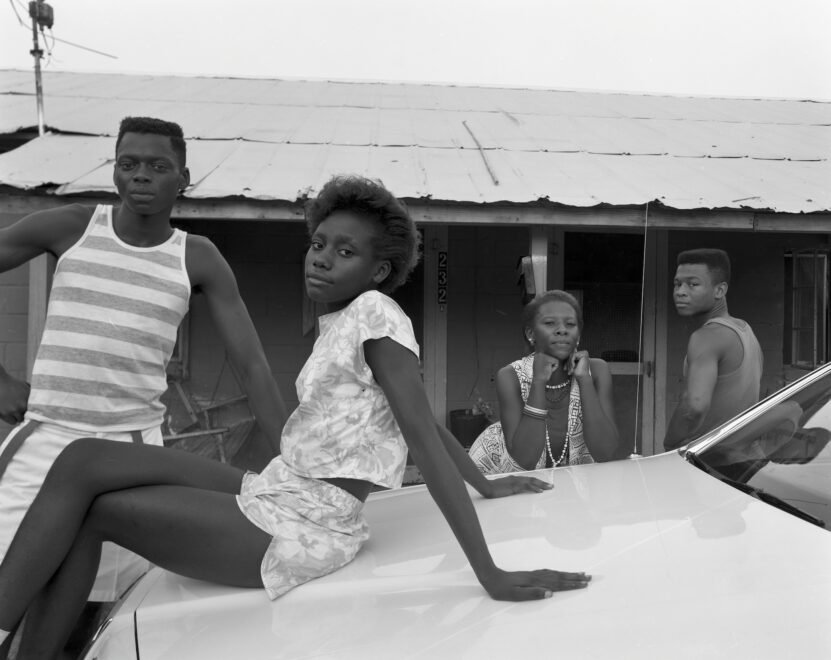
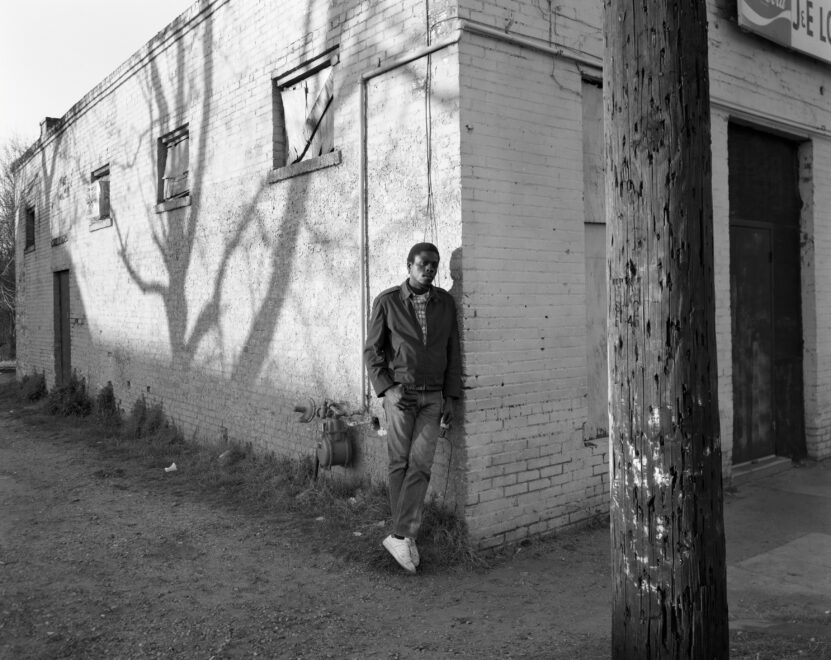
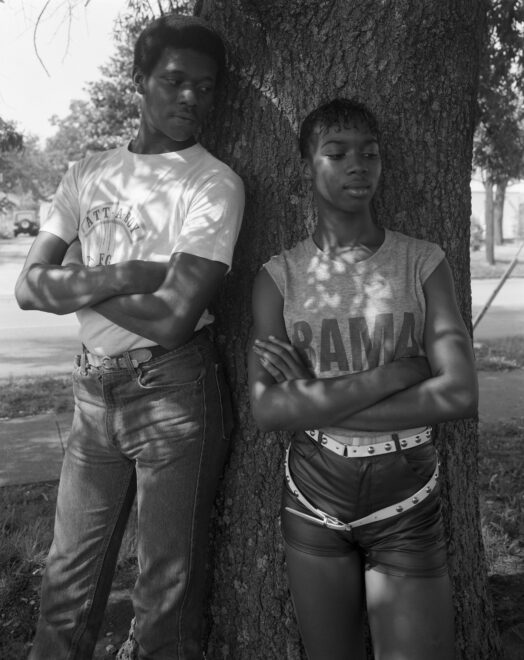
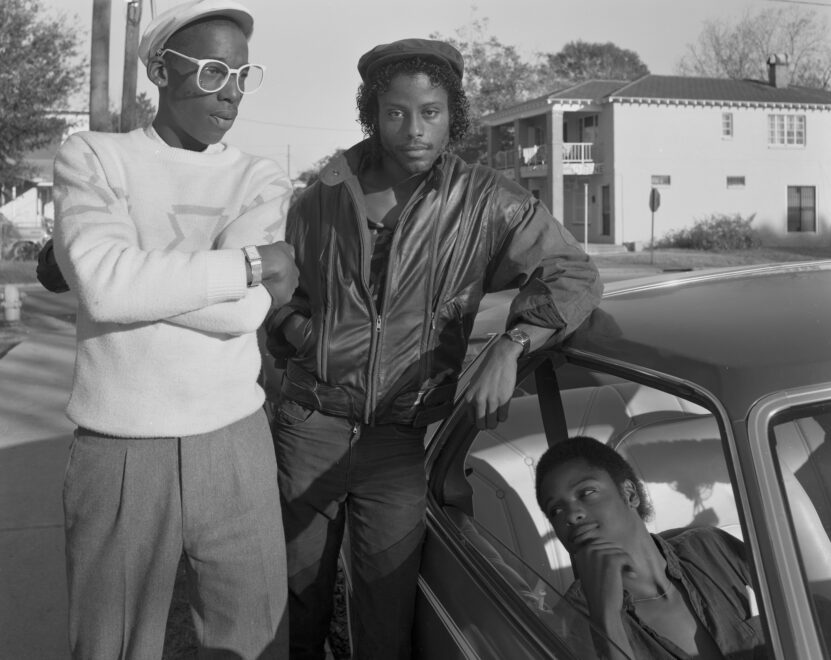
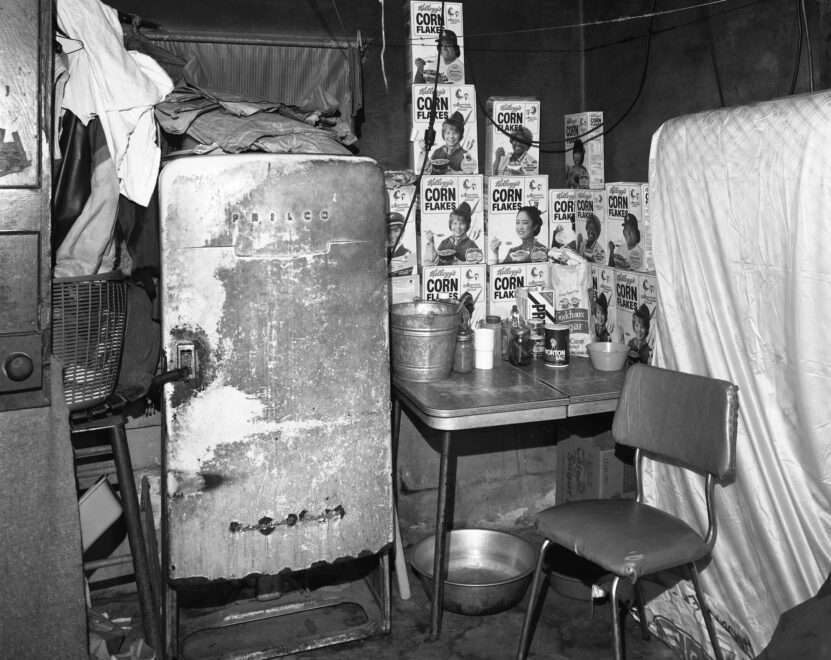
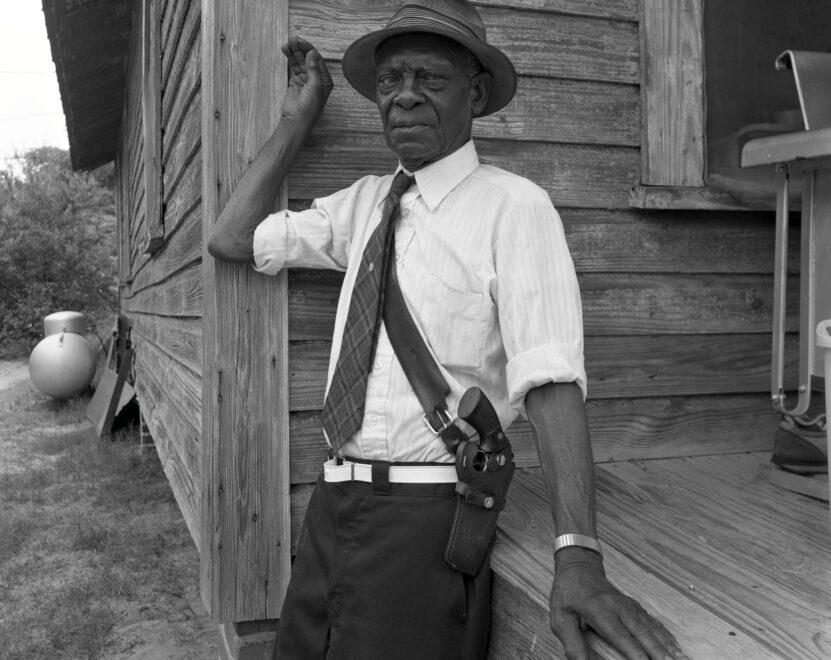
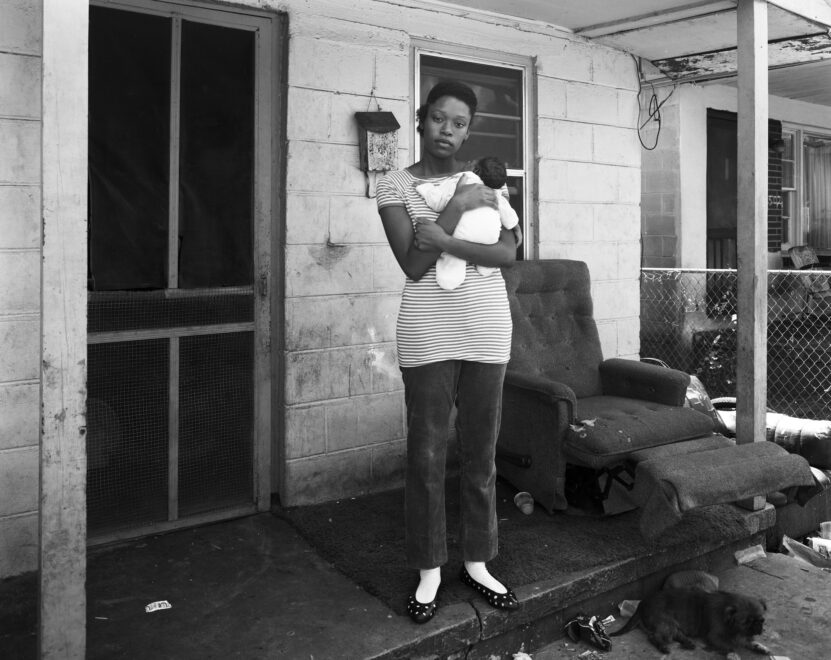
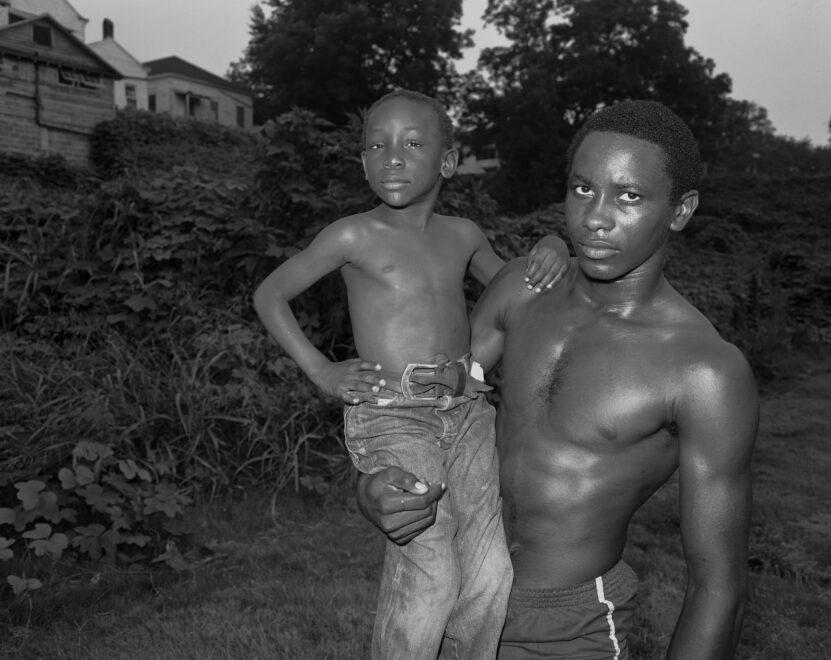
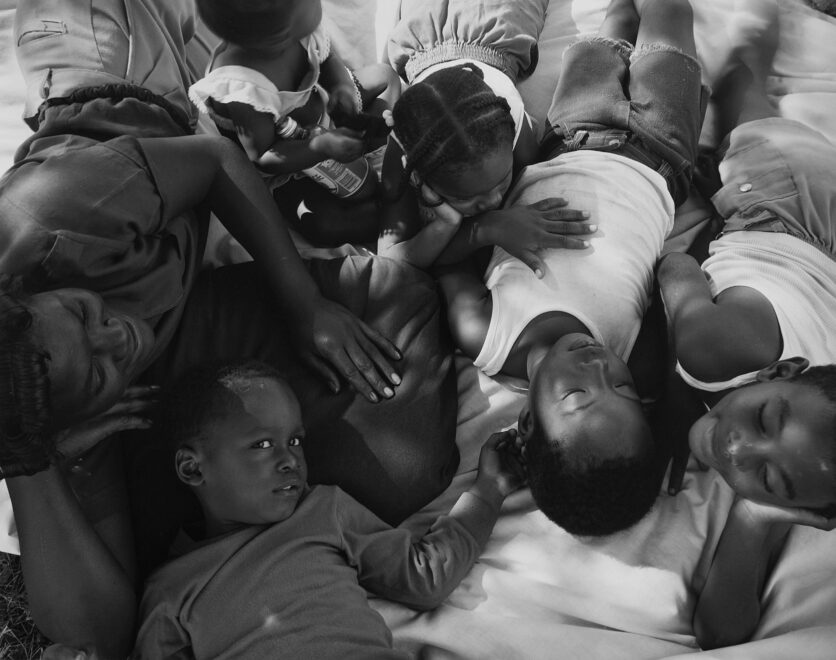
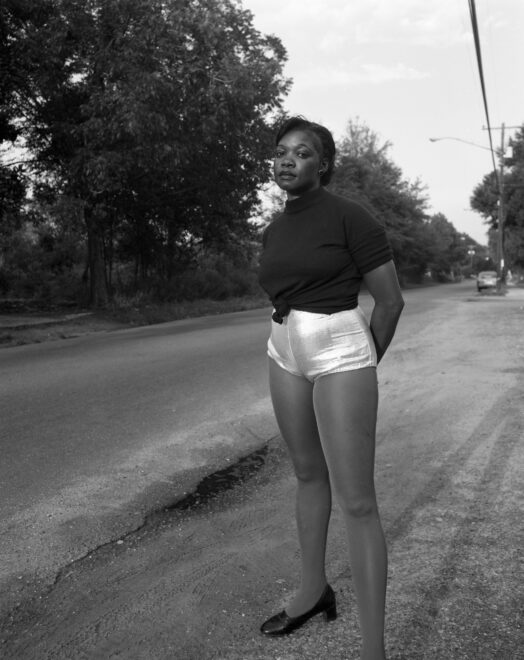
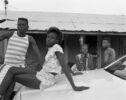
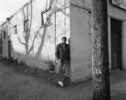
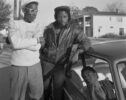
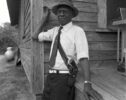
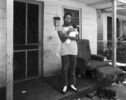
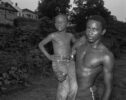
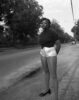
Baldwin Lee’s empathetic and carefully composed approach to portraiture, developed against the turbulent social and economic landscape of the United States in the 1980s, has had a lasting impact on photography that is yet to be fully acknowledged. Between 1983 and 1989, Lee developed his most significant body of work across the American South, creating portraits shaped by trust and reciprocity that reveal both the complexities of American life and the individuality, self-possession, and dignity of those he photographed.
A first-generation Chinese American, Baldwin Lee was born in 1951 and grew up in New York’s Chinatown, then an insular enclave. This upbringing in “a town within a town” fostered an acute awareness of the complexities of living as a racial minority in the United States. He first encountered photography in a class with Minor White at MIT in 1972, before studying under Walker Evans at Yale University in 1975, where he also worked as Evans’s personal printer. White’s attention to photographic aesthetics and Evans’s modernist documentary approach to form and composition had a lasting influence on Lee. Yet where Evans had pursued analytical frontality in the American South fifty years earlier, Lee ventured into unfamiliar places, developing a distinct approach to portraiture and the everyday shaped by an attentive engagement with his subjects.
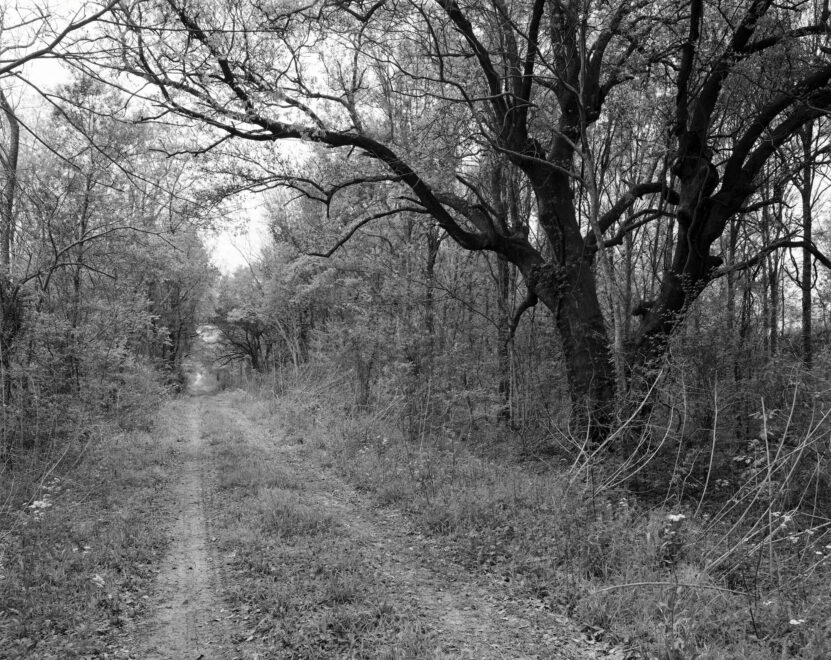
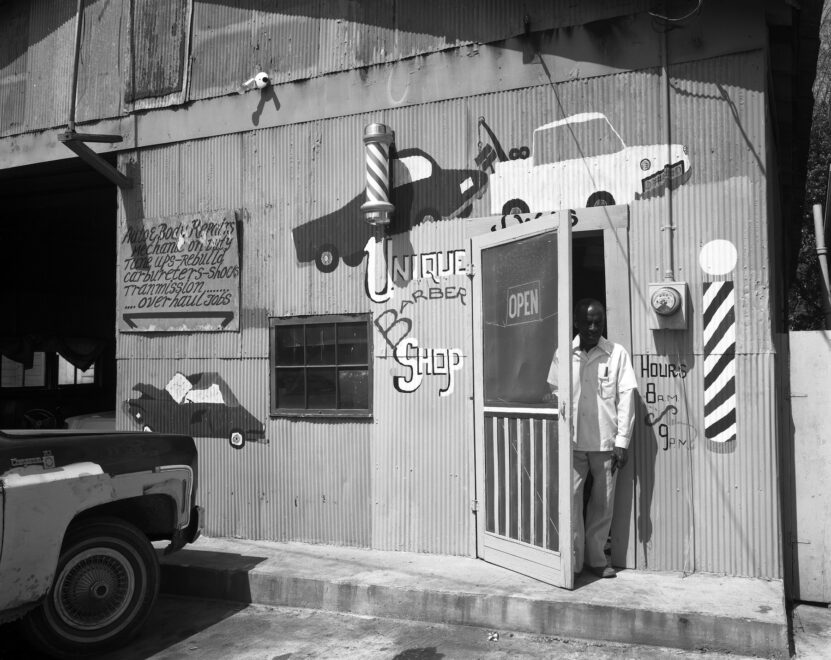
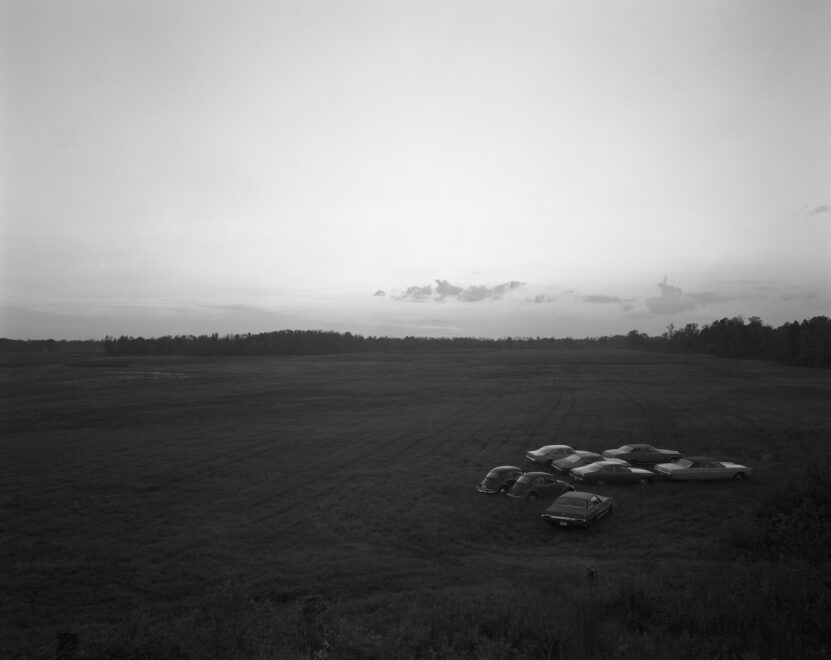
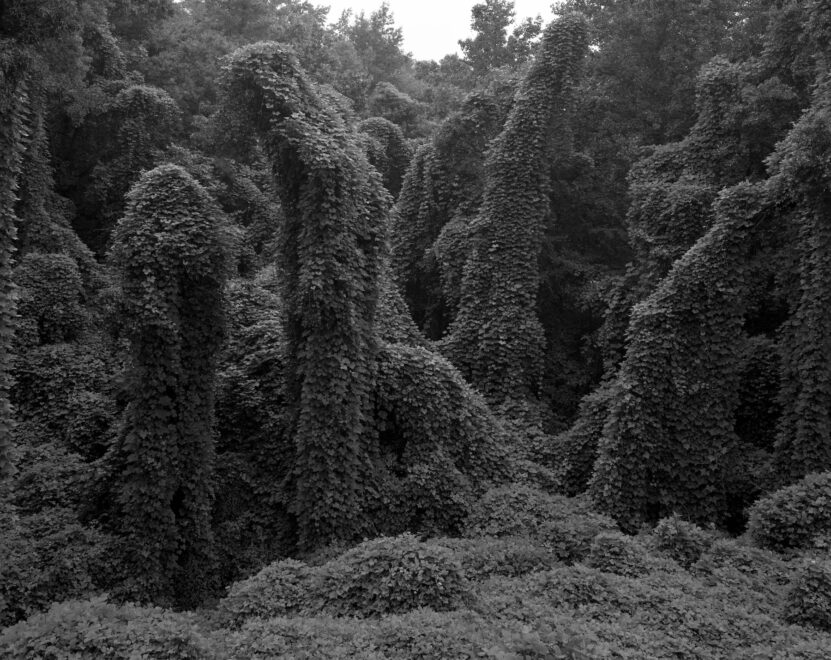
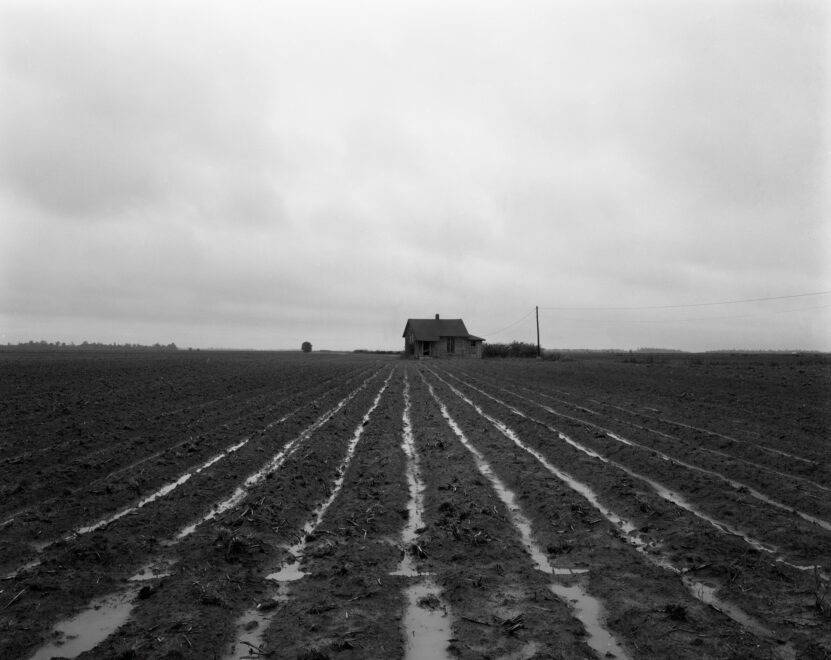
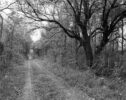
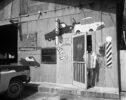
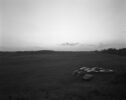
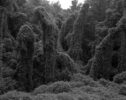
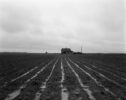
In 1983, having recently relocated from New York to Knoxville, Tennessee, for a teaching position, Lee began exploring his new surroundings with a large-format 4×5 camera. Purposefully moving beyond residential districts toward the edges of town, particularly places he had been advised to avoid, he drew on the portraiture skills he had developed in previous years to photograph people he encountered along the way. What began as an attempt to understand his new environment evolved into a sustained seven-year journey covering approximately 2,000 miles across seven states. The project produced nearly 10,000 black-and-white negatives, predominantly depicting Black Americans across the social and geographic landscape of the American South, now preserved in Lee’s archive.
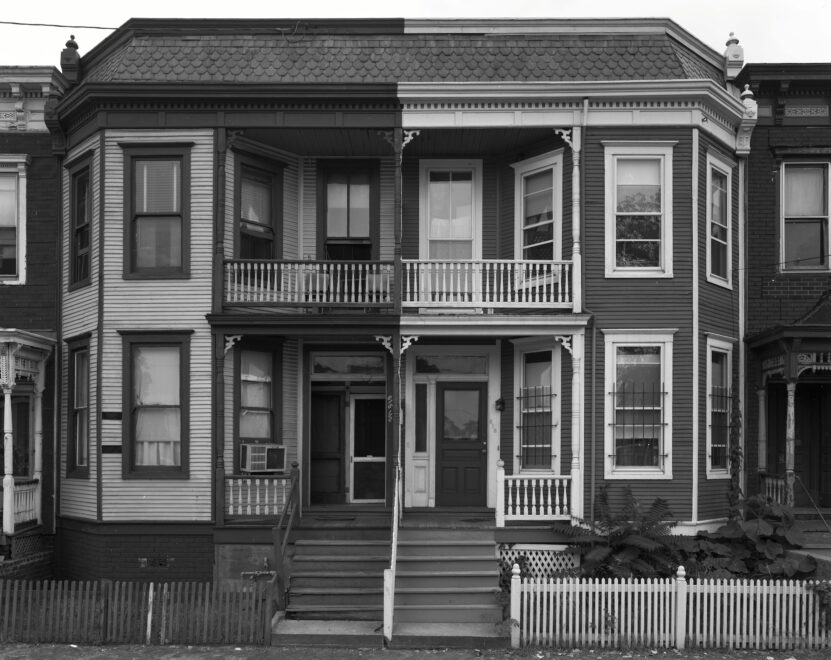
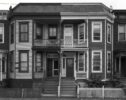
This exhibition presents the first monographic survey of Baldwin Lee’s work. Bringing together photographs from his best-known body of work on the American South with lesser-known early urban scenes, portraits made at recreational sites, and a substantial selection of previously unseen works from his archive, it offers the most comprehensive presentation of his practice to date. The exhibition repositions Lee within the history of American photography while demonstrating the enduring relevance of his work to contemporary international photographic discourse through his mediated representation of his subjects and his sensitivity to the beauty of the spaces people create for themselves.
Conceived as a travelling exhibition across the United States, it is intended to tour subsequently in Europe.